

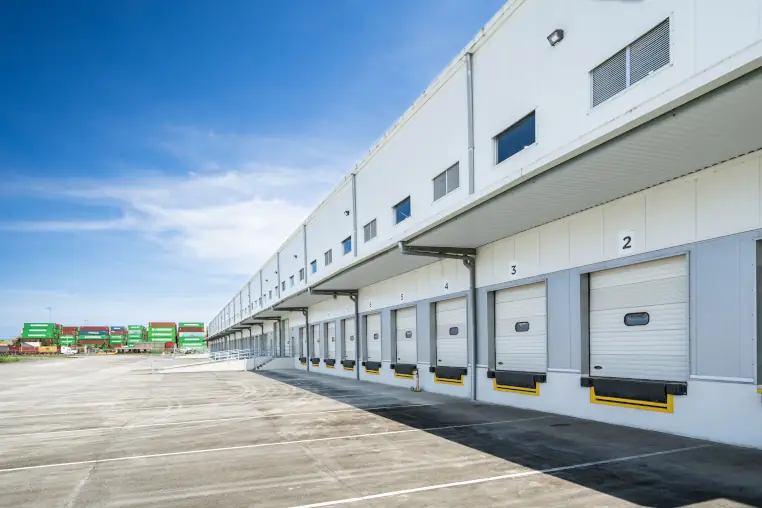
Do commercial steel buildings offer a good return on investment?
Yes. Steel building ROI is driven by long-term durability, reduced maintenance costs, energy-efficient design, and flexibility for future expansion. When evaluated over the full lifecycle, commercial steel buildings often provide strong financial and operational returns compared to traditional construction methods.
When evaluating a new facility, it’s easy to focus on upfront construction costs. But a commercial building is not just a one-time expense. It’s a long-term asset that should support your business financially and operationally for decades. That’s where understanding steel building ROI becomes essential.
A commercial steel building can generate long-term value through durability, energy efficiency, reduced maintenance, and flexibility for future growth. When these cost factors are considered together, steel construction often aligns well with the financial goals of businesses looking to make a smart, sustainable investment.
ROI Starts with Durability
One of the most significant contributors to steel building ROI is durability. Steel structures are engineered to withstand harsh weather conditions, heavy loads, and daily operational demands without the degradation common in other materials.
Wood in more traditional construction can rot, warp, or attract pests, while steel does not. It is also highly resistant to fire and moisture-related damage. Over time, this resilience translates into fewer repairs, less downtime, and lower long-term maintenance costs.
For business owners, durability isn’t just about peace of mind. It’s about predictable expenses and protecting the value of the building year after year.
Reduced Maintenance and Operating Costs
Maintenance is one of the most underestimated factors affecting long-term ROI. Traditional construction materials often require ongoing upkeep, from repainting and repairs to pest control and structural reinforcement.
Commercial steel buildings typically demand far less maintenance. Exterior panels, roofing systems, and framing components are designed for longevity, reducing the frequency and cost of repairs. This consistency helps stabilize operating budgets and frees up capital that can be reinvested into the business.
Over the lifespan of the building, these savings can significantly improve overall steel building ROI.
Energy Efficiency That Pays Off Over Time
Energy efficiency is another key driver of long-term value in commercial steel buildings. Modern steel buildings can be designed with high-performance insulation systems, reflective roofing, and tight building envelopes that help regulate interior temperatures more effectively.
Lower heating and cooling demands result in reduced utility expenses year after year. While energy-efficient features may influence initial design decisions, their long-term financial impact is often substantial, especially for buildings with large footprints or extended operating hours.
When evaluating steel building ROI, energy savings should be viewed as a cumulative benefit that grows over the life of the facility.
Flexibility and Future Expansion
Businesses change, and buildings that can adapt retain more value. One of steel construction’s greatest strengths is flexibility. Steel buildings are easier to expand, modify, or reconfigure than many traditional structures.
This adaptability allows businesses to respond to growth, operational changes, or new opportunities without the expense of relocating or undertaking major structural overhauls. Future expansions can often be planned into the original design, reducing disruption and cost later.
A building that evolves with your business contributes directly to long-term ROI by extending its usefulness and relevance.
Design Your Ideal Steel Building
Every project is unique -your building should be too. Explore Allied Steel’s customization options and design features to create a structure that fits your exact needs.

Faster Construction and Earlier Occupancy
While ROI is often discussed in terms of long-term performance, construction timelines also play a role. Commercial steel buildings are typically constructed faster due to off-site fabrication and streamlined assembly.
Shorter construction timelines can reduce labor costs and allow businesses to occupy the building sooner. Earlier occupancy can mean faster revenue generation or operational savings, both of which positively influence return on investment.
When viewed through an ROI lens, time savings during construction can be just as impactful as long-term cost reductions.
Aligning Design with Business Objectives
Maximizing steel building ROI starts with thoughtful planning. Buildings designed around actual business needs, rather than assumptions, tend to perform better financially over time.
Key considerations include layout efficiency, workflow optimization, equipment requirements, and future growth plans. A building that supports productivity, minimizes wasted space, and accommodates operational changes will deliver stronger returns than one that simply meets minimum requirements.
Proper planning ensures that every design choice contributes to long-term value rather than unnecessary expense.
What Industry Leaders Are Saying
Don’t just take our word for it. -Discover how Allied Steel has delivered unmatched quality, reliability and results as we bring their biggest projects to life.
Measuring ROI Beyond the Balance Sheet
Return on investment isn’t always measured solely in dollars. While reduced maintenance, energy savings, and expansion flexibility all have measurable financial impacts, there are also indirect benefits to consider.
Reliable facilities reduce operational disruptions. Energy-efficient buildings can support sustainability goals. Durable structures enhance asset value and long-term usability. Together, these factors contribute to a building that supports business stability and growth, not just cost control.
A comprehensive view of steel building ROI considers both financial performance and operational resilience.
A Long-Term Perspective on Value
Investing in a commercial steel building is a strategic decision, not just a construction choice. By focusing on durability, efficiency, flexibility, and thoughtful design, steel buildings often deliver strong returns over their lifespan.
Rather than asking whether steel is worth the investment upfront, a better question is whether the building will continue delivering value years down the line. When planned and executed well, a steel building isn’t just a place to operate. It’s a long-term asset that supports your business’s success well into the future.
Looking for guidance on your commercial building investment? Reach out to our team to discuss your needs and next steps.