

What factors influence the cost of a commercial steel building?
Commercial steel building cost is influenced by several factors, including building size and height, structural requirements, material and insulation choices, site preparation, permitting, utilities, and design complexity. Understanding these cost factors in steel buildings helps business owners plan accurate budgets and make informed construction decisions.
Understanding commercial steel building costs goes far beyond a simple price-per-square-foot estimate. Every steel building project is shaped by a combination of design decisions, site conditions, material selections, and long-term performance goals. Together, these elements form the true cost factors in steel buildings, and understanding them early can help you plan a smarter, more predictable investment.
Rather than thinking of cost as a single number, it’s more useful to view it as a series of decisions. Each one influences how your building performs, adapts, and delivers value over time.
Building Size, Height, and Structural Requirements
One of the most significant cost factors in steel buildings is the building’s physical footprint. Larger buildings naturally require more steel, but size alone doesn’t tell the full story. Height, clear-span requirements, and intended use all play a role in determining structural complexity.
For example, a warehouse with tall ceilings for racking systems or heavy equipment will require stronger framing than a low-profile storage facility. Buildings designed to support cranes, mezzanines, or specialized loads must be engineered accordingly, which can influence material and fabrication requirements.
The key takeaway is that how you plan to use the space matters just as much as how big it is. Aligning the design with actual operational needs helps avoid overbuilding while ensuring the structure performs as required.
Design Complexity and Customization
Steel buildings are known for their flexibility, but customization can affect cost. Simple, rectangular designs are generally more cost-efficient than buildings with complex layouts, irregular rooflines, or extensive architectural features.
Elements such as multiple roof elevations, curved walls, large overhangs, or custom facades can add to engineering, fabrication, and installation efforts. While these features may support branding or aesthetic goals, it’s important to weigh them against budget considerations.
That doesn’t mean design should be sacrificed, only that intentional choices make a difference. A well-planned design balances visual appeal, functionality, and budget to achieve the best overall value.
What Industry Leaders Are Saying
Don’t just take our word for it. -Discover how Allied Steel has delivered unmatched quality, reliability and results as we bring their biggest projects to life.
Material Choices and Building Components
Material selection is another major contributor to commercial steel building cost. Structural steel is only one part of the equation. Wall panels, roofing systems, insulation, doors, windows, and interior finishes all influence the final investment.
For example, insulation choices affect not only upfront costs but also long-term energy performance. Higher-performance insulation systems may cost more initially but can reduce heating and cooling expenses over the building’s lifetime. Similarly, exterior finishes and panel systems can vary in durability, appearance, and maintenance requirements.
Choosing materials is about finding the right balance between performance, longevity, and cost based on how the building will be used today and in the future.
Site Conditions and Preparation
Even the most efficient building design can be impacted by site-related factors. Site preparation is often one of the least visible (but most impactful) cost factors in steel buildings.
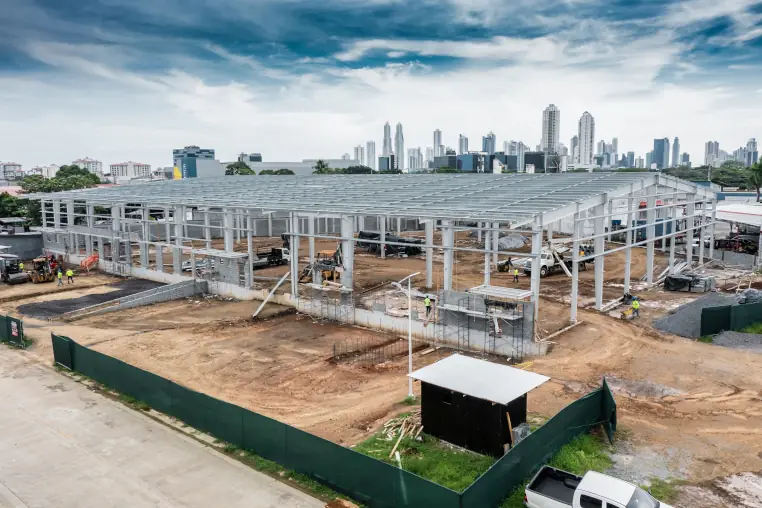
Variables such as soil conditions, grading requirements, drainage, and accessibility can influence foundation design and construction logistics. A flat, well-prepared site may require minimal work, while challenging terrain or poor soil conditions can increase preparation needs.
Location also plays a role. Transportation access, local labor availability, and regional building requirements can all affect overall project costs. Evaluating site conditions early helps prevent delays and unexpected expenses later.
Permits, Codes, and Local Requirements
Permitting and regulatory requirements are another important consideration in determining commercial steel building cost. Local building codes, zoning regulations, and environmental requirements vary by location and can affect design, engineering, and approval timelines.
For instance, buildings in high-wind or seismic zones may require additional structural reinforcement. Fire ratings, energy codes, and accessibility standards can also influence design decisions and material choices.
Working with experienced professionals who understand local requirements can streamline approvals and help ensure compliance without unnecessary redesigns or delays.
Utility Connections and Infrastructure
Utilities are often overlooked in early budgeting conversations, but they play a critical role in total project cost. Electrical service, water, sewer, gas, and data connections must all be planned and coordinated with local providers.
The distance from existing utility lines, capacity upgrades, and timing of connections can all influence costs and schedules. Factoring these elements into early planning helps create a more accurate picture of the full investment.
Construction Timeline and Labor Efficiency
One of the advantages of steel construction is speed. Faster construction timelines can reduce labor costs and allow businesses to occupy the building sooner. However, schedules are still influenced by design complexity, site readiness, and coordination among trades.
Efficient planning and clear communication between engineers, fabricators, and installers help keep projects on track. Delays, often caused by design changes or unforeseen site issues, can add costs that go beyond materials alone.
The Value of Early Expert Involvement
Perhaps the most overlooked cost factor in steel buildings is timing…specifically, when experts are brought into the process. Engaging experienced architects and engineers early helps identify potential challenges, refine design decisions, and anticipate costs before they become issues.
Early collaboration allows for smarter material choices, efficient layouts, and realistic budgeting. It also reduces the likelihood of costly changes later in the project, when adjustments are more difficult and expensive to implement.
Planning with Confidence
Every commercial steel building is unique, and that’s exactly why understanding cost factors matters. By looking beyond surface-level estimates and considering design, materials, site conditions, and long-term performance, business owners can make informed decisions that align with both budget and operational goals.
Rather than asking for a single number, the better question is: What combination of choices will deliver the best value for my business? With the right planning and guidance, a steel building can be a flexible, durable, and cost-effective investment built to serve your needs for decades.
Not sure which building approach is right for your project? Connect with Allied Steel’s friendly and knowledgeable team to discuss your goals and explore your options.