

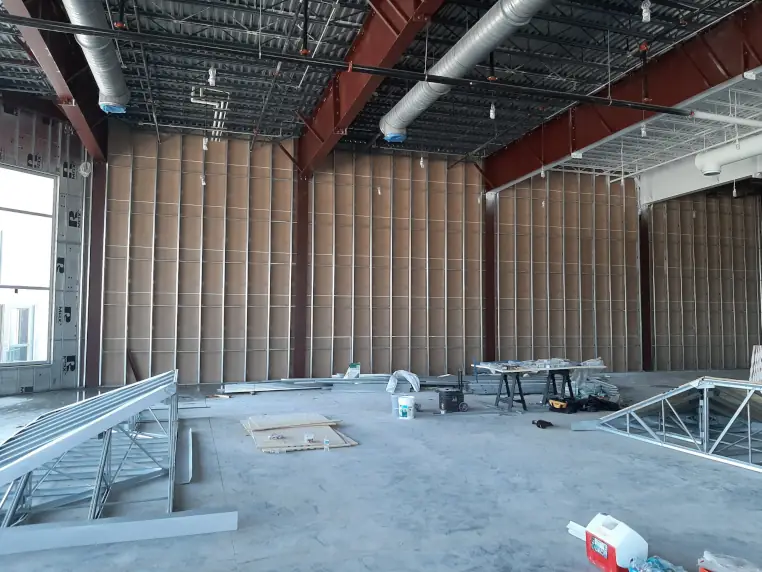
What are safety advantages of commercial steel buildings?
Steel is non-combustible and does not fuel flames, making it inherently fire-resistant. Commercial steel buildings slow fire progression, reduce structural damage, and protect employees, equipment, and inventory. Fire-resistant coatings and design strategies further enhance safety, while compliance with building codes and reduced insurance risks make steel an ideal choice for fire-safe construction.
Safety is a top priority for any commercial facility. From protecting employees to safeguarding valuable inventory and expensive equipment, building owners face countless considerations when designing a structure. Among these, fire resistance is one of the most critical. Fire can cause catastrophic damage, disrupt operations, and pose serious risks to human life. Choosing materials that inherently reduce fire hazards is a proactive step toward a safer, more resilient building.
Commercial steel construction offers superior fire protection compared to traditional wood framing. From non-combustible components to fire-resistant design strategies, steel buildings provide a level of safety that not only protects people and property but can also enhance operational resilience and lower long-term costs. This article explores the fire-resistant properties of steel and explains how these benefits translate into practical advantages for businesses of choosing steel for commercial buildings.
Non-Combustible Strength
One of the most significant advantages of steel in commercial construction is its non-combustible nature. Unlike wood, which can ignite and rapidly fuel a fire, steel does not catch fire and does not contribute to flame spread. This fundamental property allows steel buildings to better withstand fires, giving occupants more time to evacuate and reducing the likelihood of structural collapse.
Steel’s resistance to burning is especially critical in facilities that handle flammable materials, store large quantities of inventory, or house critical equipment. Even when exposed to high temperatures, steel maintains its integrity longer than combustible materials, offering essential time for fire response teams to contain and control incidents.
Slowing Fire Progression
While steel can lose strength at extremely high temperatures, commercial steel buildings are engineered to slow fire progression and reduce overall damage. Fireproof coatings, intumescent paints, and other fire protection systems can be applied to steel structures to further enhance their resistance. These systems expand or insulate the steel when exposed to heat, maintaining structural stability and providing additional protection during a fire emergency.
By slowing the spread of fire, steel construction limits the extent of damage, reduces downtime, and protects critical components of the building. This proactive approach minimizes the cost and disruption associated with fire-related incidents.
Protecting People, Inventory, and Equipment
Safety goes beyond structural resilience. A fire-resistant building directly protects the most valuable assets: people, inventory, and equipment. For businesses, ensuring that employees can safely evacuate in an emergency is a non-negotiable priority. Fire-resistant steel construction provides a secure framework that resists rapid collapse, giving occupants a critical window to exit safely.
Additionally, facilities storing sensitive or high-value materials benefit from steel’s inherent fire protection. Equipment, technology, and stock are better safeguarded, reducing the potential for catastrophic loss. This reliability is particularly important for industries such as manufacturing, warehousing, data centers, and retail, where even short-term interruptions can be costly.
Lower Insurance Costs and Risk Mitigation
The fire-resistant properties of commercial steel buildings can also yield financial advantages. Many insurance providers recognize the reduced risk associated with steel buildings and may offer lower premiums or more favorable coverage terms. Investing in steel construction is a tangible way to mitigate fire-related risks, offering long-term cost savings and enhanced business continuity.
By reducing the probability and severity of fire damage, steel buildings can help businesses avoid expensive repairs, operational downtime, and potential liability claims. These benefits make steel construction not only a safer choice but also a financially strategic one.
What Industry Leaders Are Saying
Don’t just take our word for it. -Discover how Allied Steel has delivered unmatched quality, reliability and results as we bring their biggest projects to life.
Compliance With Building Codes and Standards
Integrating fire resistance early in the design process ensures that steel buildings comply with local building codes and fire safety regulations. Modern commercial construction standards often require fire-resistant materials and strategies, particularly in high-occupancy or high-risk structures. Steel’s inherent properties make it easier to meet these requirements without compromising design flexibility.
By planning for fire safety from the outset, architects and builders can incorporate additional systems such as sprinkler networks, fire alarms, and smoke containment features, creating a comprehensive safety strategy that aligns with regulatory standards.
Durability and Long-Term Safety
Steel is known for its durability, which extends beyond fire resistance. Its strength under load, resistance to pests and rot, and adaptability in design mean that steel buildings maintain their protective qualities over decades. Unlike combustible materials that may weaken over time or require frequent treatment, steel provides a consistent level of fire protection, contributing to the building’s long-term safety and performance.
For businesses planning for decades of operations, this reliability is a critical consideration. A structure that maintains fire resistance over its lifetime reduces both risk and maintenance costs while providing peace of mind for owners, managers, and employees alike.
Fire-Resistant Design as Part of a Holistic Safety Strategy
Fire resistance is just one aspect of a broader safety plan. Commercial steel buildings can be designed to incorporate multiple safety features, including:
- Fire-rated walls, doors, and partitions
- Sprinkler systems and fire suppression technology
- Smoke control and ventilation systems
- Emergency exits and egress pathways
When combined with steel’s inherent fire-resistant qualities, these features create a comprehensive safety environment, supporting business continuity and employee protection.
Build Safer With Allied Steel
Fire safety is a critical consideration in commercial construction, and steel provides unmatched advantages in protecting people, inventory, and property. Its non-combustible nature, compatibility with fire protection systems, and durability make steel fire-resistant buildings a reliable choice for businesses seeking long-term safety and resilience.
If you have questions about fire-resistant steel construction or want to explore options for your next commercial project, the team at Allied Steel is here to help. Contact us today to discuss your goals, review potential designs, and see how steel can enhance the safety and performance of your facility.