

Are steel buildings more expensive than traditional construction?
Commercial steel buildings may have higher upfront material costs in some cases, but they often reduce overall expenses through faster construction timelines, lower maintenance needs, and greater durability. When comparing steel vs traditional building costs, evaluating total lifecycle cost, rather than just initial investment, helps business owners determine the most cost-effective option.
When planning a new commercial facility, one of the most important decisions you’ll make is how the building will be constructed. Business owners often compare steel buildings with traditional construction methods such as concrete or wood framing, weighing upfront expenses against long-term value. While steel buildings can sometimes appear more expensive at first glance, a deeper look at steel vs. traditional building costs often reveals a more balanced (and more strategic) investment.
Understanding how these construction methods differ across timelines, maintenance, durability, and lifecycle cost can help you make a decision that aligns with both your budget and your long-term business goals.
Upfront Costs: Looking Beyond First Impressions
Initial construction costs are often the first point of comparison. Traditional construction methods may, in some cases, show a lower upfront price due to material familiarity or perceived simplicity. Wood framing and concrete systems are widely used and can appear cost-effective at the outset.
Steel buildings, on the other hand, rely on engineered components fabricated off-site. This precision engineering can sometimes lead to higher material costs early in the process. However, focusing solely on upfront materials doesn’t tell the full story of commercial steel building cost.
What’s often overlooked is how these initial costs interact with construction efficiency, labor requirements, and long-term performance, factors that can significantly shift the total investment over time.
Construction Timelines and Labor Efficiency
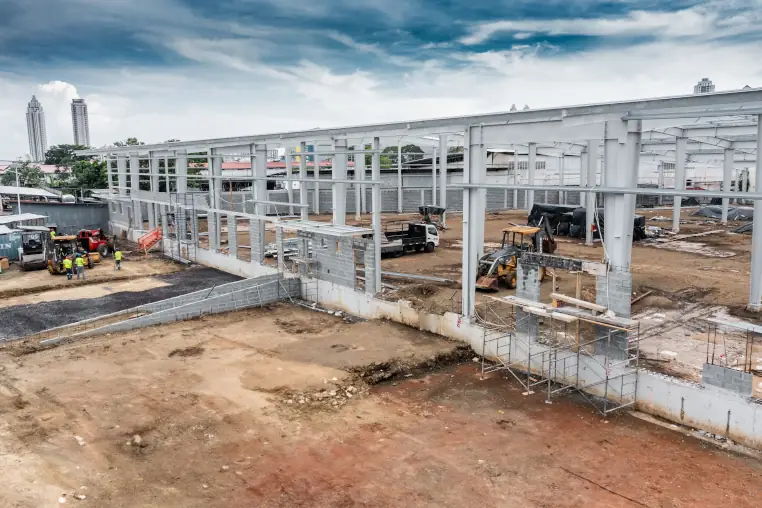
One of steel construction’s most notable advantages is speed. Steel building components are manufactured off-site and delivered ready for assembly, which can dramatically reduce on-site construction time. Faster timelines often mean lower labor costs and fewer delays caused by weather or material shortages.
Traditional construction typically involves multiple trades working sequentially on-site, which can extend schedules and increase labor expenses. Longer build times can also delay occupancy, impacting business operations and revenue generation.
When comparing steel vs. traditional building costs, construction speed is more than a convenience…it’s a financial consideration that can influence overall project economics.
Durability and Maintenance Costs Over Time
Long-term durability is where steel buildings often stand apart. Steel is resistant to many of the issues that affect traditional materials, including rot, termites, mold, and warping. These characteristics reduce ongoing maintenance and repair costs over the life of the building.
Traditional construction materials, particularly wood, may require more frequent upkeep. Over time, maintenance expenses (such as repairs, pest mitigation, or material replacement) can add up and impact operating budgets.
From a lifecycle perspective, steel’s durability can translate into lower long-term costs, even if the initial investment is comparable or slightly higher.
Energy Efficiency and Operational Expenses
Energy efficiency plays an increasingly important role in evaluating construction costs. Modern steel buildings can be designed with advanced insulation systems, energy-efficient roofing, and optimized layouts that reduce heating and cooling demands.
While traditional buildings can also be energy-efficient, steel structures offer consistent performance due to precise engineering and tighter building envelopes. Over decades of use, reduced utility costs can significantly affect the total cost of ownership.
When assessing commercial steel building cost, operational efficiency should be part of the equation…not an afterthought.
Flexibility, Expansion, and Adaptability
Businesses evolve, and buildings that can adapt provide added value. Steel buildings are inherently flexible in their design, making it easier to expand, reconfigure, or modify layouts as operational needs change. This adaptability can prevent costly renovations or relocations in the future.
Traditional construction can be more rigid, with expansions or structural changes requiring significant demolition or reinforcement. These modifications often come with higher costs and longer timelines.
Considering future growth when comparing steel vs. traditional building costs helps ensure the building remains an asset rather than a limitation.
Design Your Ideal Steel Building
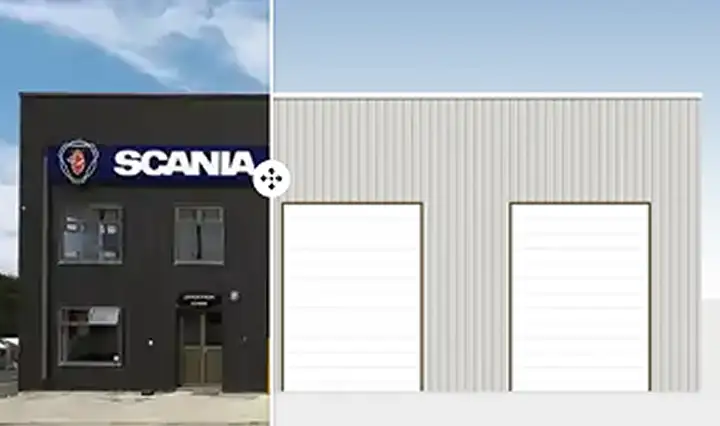
Every project is unique -your building should be too. Explore Allied Steel’s customization options and design features to create a structure that fits your exact needs.
Risk, Predictability, and Cost Control
Another important factor is cost predictability. Steel buildings benefit from precise engineering and prefabrication, which can reduce variability and unexpected expenses during construction. This predictability makes budgeting more reliable and minimizes costly surprises.
Traditional construction projects may face more uncertainty due to on-site variables, weather conditions, or material availability. These risks can lead to schedule changes and budget adjustments that impact overall cost.
For business owners seeking greater control over their investment, steel construction often provides a clearer path from planning to completion.
Evaluating Total Lifecycle Cost
The most meaningful comparison between steel and traditional construction comes from evaluating total lifecycle cost. This approach looks beyond upfront expenses to include construction time, maintenance, energy use, adaptability, and long-term durability.
While traditional construction may sometimes appear less expensive initially, cumulative costs over decades of ownership can narrow, or even reverse, the gap. Steel buildings often deliver value through reduced maintenance, operational efficiency, and flexibility that supports long-term business success.
Making an Informed Decision
Choosing between steel and traditional construction isn’t about finding the lowest initial price. It’s about selecting the building method that best supports your business over time. By comparing timelines, maintenance requirements, operational costs, and future flexibility, business owners can make decisions grounded in long-term value rather than short-term savings.
Understanding the full scope of steel vs. traditional building costs helps ensure your facility is not only affordable to build, but also efficient, durable, and adaptable for years to come.
Planning a commercial building project? Contact our team to get answers and start a conversation about the right solution for your business.