

How can businesses future-proof their commercial steel buildings?
Businesses can future-proof their commercial steel buildings by designing for modular expansion, flexible interior layouts, and increased structural load capacity. Planning for technological upgrades, maintenance, and adaptability ensures the building can grow and evolve with the business, maximizing long-term usability and value.
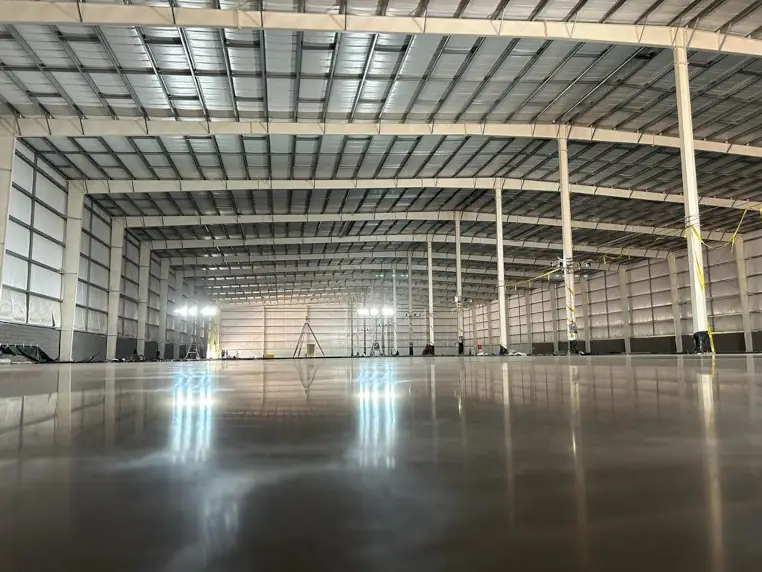
A well-planned commercial steel building can grow and adapt alongside your business. Unlike traditional construction, steel buildings are inherently flexible, allowing modifications, additions, and technological upgrades without major disruptions. By designing with long-term adaptability in mind, business owners can protect their investment, support evolving operations, and avoid costly renovations.
Understanding the expandability of commercial steel buildings is key to creating a facility that remains functional and efficient for years to come. This guide explores strategies for future-proofing, from structural planning and layout design to maintenance and upgrades.
Designing for Modular Expansion
One of the primary ways to future-proof a commercial steel building is through modular expansion. Steel buildings are ideal for phased growth because their structural systems can accommodate additions without significant structural redesign.
Planning for expansion begins during the initial design phase. This involves sizing foundations, roof systems, and wall panels to support future building extensions. For example, adding bays, extending the width or length of the building, or integrating mezzanines can often be done seamlessly if the original structure was engineered with these possibilities in mind.
Incorporating modular expansion not only reduces disruption during growth but also allows businesses to align construction with evolving operational needs and budget considerations. Whether you anticipate adding storage capacity, office space, or production zones, designing for modularity ensures the building can scale efficiently.
Structural Considerations for Longevity
Future-proofing is not just about adding square footage. It also involves planning for increased load capacity and operational demands over time. Commercial steel buildings offer superior strength, but structural considerations such as roof loads, floor loads, and column spacing must reflect potential growth.
Engineers can design framing systems and foundations that accommodate heavier equipment, additional floors, or new mechanical systems in the future. Planning for load capacity upfront avoids costly retrofits and ensures that expansions meet safety standards.
By collaborating with structural engineers early in the design process, businesses can create buildings that are safe, durable, and ready to support long-term operational changes.
From Vision to Steel Structure
CURIOUS HOW IT ALL COMES TOGETHER?
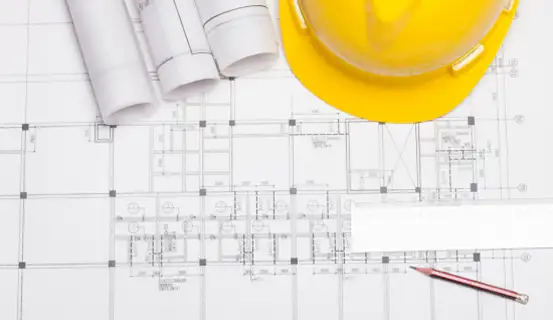
Take a closer look at Allied Steel’s step-by-step design process. From initial concept through final plans and see how we turn your ideas into durable, high-performance buildings.
Flexible Interior Layouts
Interior design plays a crucial role in a commercial steel building’s adaptability. Flexible layouts make it easier to reconfigure spaces as business needs evolve. Open floor plans, movable partitions, and modular office or warehouse sections allow interior spaces to be rearranged without major construction.
For example, a warehouse may initially prioritize storage racks and open production lines but could later add offices, conference rooms, or specialized work areas. Designing interior systems with flexibility in mind ensures that reconfigurations can happen quickly, efficiently, and at minimal cost.
In addition, flexible layouts can enhance workflow efficiency. By anticipating how operations may shift over time, business owners can avoid bottlenecks and ensure the building continues to support productivity even as demands change.
Planning for Technological Upgrades
Commercial steel buildings can also be designed to accommodate future technological changes. From energy-efficient lighting and HVAC systems to automated production equipment, modern businesses often need to integrate new technologies as they scale.
By planning for future electrical, mechanical, and networking requirements, you can reduce the complexity and cost of upgrades. For example, running additional conduits, oversized mechanical chases, or flexible utility connections during initial construction can make integrating new technologies seamless.
A building that anticipates technological evolution avoids the need for disruptive renovations and helps businesses remain competitive as operations advance.
Maintenance and Long-Term Performance
Future-proofing a commercial steel building isn’t just about expansion. It also requires ongoing maintenance and strategic upgrades to keep the building safe, efficient, and adaptable. Regular inspections of structural components, roofing, insulation, and exterior finishes help catch wear, corrosion, or damage before they become costly problems.
Upgrading systems over time, such as HVAC, lighting, or electrical infrastructure, can improve energy efficiency, reduce operational costs, and support new technology or equipment. Even small improvements, like replacing worn flooring or updating insulation, contribute to a more comfortable and productive environment while protecting the integrity of the structure.
Additionally, proactive maintenance ensures that any future expansions or modifications are easier to implement. When a building is well-maintained, its foundations, framing, and utilities are better positioned to handle additional loads or interior reconfigurations.
In short, a thoughtful maintenance and upgrade plan extends the lifespan of your commercial steel building, preserves its performance, and keeps it ready to adapt to your evolving business needs.
Engineered for Complexity - Built for Performance
WHEN STANDARD SOLUTIONS WON’T CUT IT ALLIED STEEL DELIVERS.
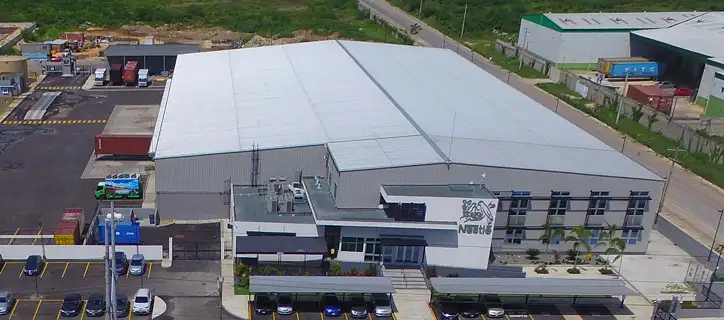
Learn how our hybrid designs combine the efficiency of pre-engineered steel with the flexibility of conventional methods to meet the demands of complex projects.
Benefits of Future-Proofing
Designing for expandability offers several strategic advantages for businesses:
- Cost Efficiency: Planning for growth and adaptability upfront avoids expensive retrofits or structural modifications later.
- Operational Continuity: Flexible layouts and modular systems minimize disruptions when adding space, equipment, or technology.
- Safety and Compliance: Buildings designed for future expansion can maintain code compliance as they grow, ensuring safety standards are always met.
- Long-Term Value: A well-planned, adaptable building preserves and increases the value of the investment over time.
By incorporating these strategies, businesses can create commercial steel buildings that remain functional, efficient, and valuable well into the future.
Key Takeaways
Future-proofing a commercial steel building begins with strategic planning. Consider modular expansion and structural load capacity from the start, design flexible interior layouts, and plan for technological upgrades. Regular maintenance and proactive upgrades ensure that the building continues to support operational changes while extending its lifespan.
The expandability of commercial steel buildings is one of their most significant advantages. Thoughtful design and professional guidance transform a steel building into a long-term strategic asset that grows with your business and adapts to evolving needs.
If you’re thinking about designing a steel building that can grow and adapt with your business, a conversation early in the planning process can make all the difference. At Allied Steel, we’re happy to explore expansion strategies, layout options, and design ideas that help your building remain functional, efficient, and future-ready, whenever you’re ready to talk.