

Why should I consider working with an architect or engineer during commercial steel building planning?
Working with an architect or engineer during commercial steel building planning ensures the facility is structurally sound, code compliant, and designed around operational needs. Their expertise helps optimize layouts, plan for future growth, and reduce design errors, delays, and long-term costs.
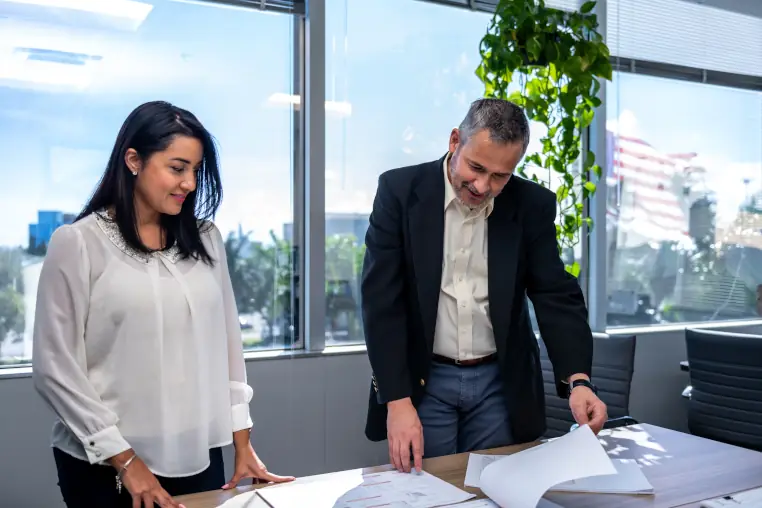
Partnering with an architect or engineer can transform a commercial steel building project from a simple structure into a highly efficient, functional, and future-ready facility. While commercial steel buildings are known for their strength and flexibility, professional guidance ensures those advantages are fully realized. From structural integrity and code compliance to layout efficiency and long-term adaptability, architects and engineers play a critical role in successful commercial steel building planning.
This article explains why professional collaboration matters, what business owners should expect from the process, and how working closely with design experts improves project outcomes.
Why Architects and Engineers Matter in Steel Building Planning
Commercial steel building planning involves far more than selecting a building size and starting construction. Each project must balance operational needs, regulatory requirements, site conditions, and long-term goals. Architects and engineers bring the technical expertise needed to align these factors effectively.
Engineers focus on the structural performance of the building. They ensure that the steel framing system can safely support loads related to equipment, occupancy, environmental forces, and potential future expansion. Their work is essential for meeting building codes and ensuring long-term durability.
Architects, on the other hand, translate business needs into functional layouts. They consider how people move through the space, how different areas interact, and how the building supports daily operations. Together, architects and engineers help create designs that are both practical and compliant.
Improving Layouts and Operational Efficiency
One of the most valuable contributions architects and engineers make during commercial steel building planning is optimizing layout efficiency. Steel construction allows for wide, open interiors, but without thoughtful planning, that flexibility can be underutilized.
Architects help organize interior spaces in ways that improve workflow, safety, and accessibility. They consider factors such as circulation paths, separation of public and operational areas, and placement of offices, production zones, or storage areas. Engineers support these decisions by ensuring structural systems align with the layout and future adaptability.
This collaboration results in buildings that function smoothly from day one and can be adjusted as operational needs evolve.
From Vision to Steel Structure
CURIOUS HOW IT ALL COMES TOGETHER?
Take a closer look at Allied Steel’s step-by-step design process. From initial concept through final plans and see how we turn your ideas into durable, high-performance buildings.
Code Compliance and Permitting Success
Building codes, zoning regulations, and safety requirements play a major role in commercial steel building projects. Architects and engineers are trained to interpret these requirements and incorporate them into the design from the start.
Commercial steel building planning that accounts for compliance early helps avoid costly redesigns, permitting delays, and inspection issues. Engineers ensure structural systems meet local and national standards, while architects help coordinate accessibility, fire protection, and other regulatory considerations.
When design professionals are involved early, compliance becomes part of the design strategy rather than a hurdle to overcome later.
Asking the Right Questions During the Planning Phase
Successful collaboration starts with asking the right questions. Business owners should approach commercial steel building planning as a conversation rather than a checklist.
Important topics include how the building may need to expand, what loads or equipment it must support, and how layout decisions impact daily operations. Questions about long-term maintenance, energy efficiency, and adaptability also help guide smarter design choices.
Architects and engineers can provide valuable insights, but those insights are most effective when they are informed by a clear understanding of business goals. Open communication during planning helps ensure the final design aligns with both current needs and future plans.
Errors and Avoiding Delays Through Collaboration
One of the most overlooked benefits of working with architects and engineers is risk reduction. Misalignment between design, permitting, and construction often leads to change orders, delays, and budget overruns.
Close collaboration among business owners, design professionals, and steel building providers helps identify potential issues early. Structural conflicts, layout inefficiencies, or compliance concerns can be resolved during planning rather than during construction, when changes are more expensive.
This integrated approach streamlines the project timeline and reduces uncertainty, making commercial steel building planning more predictable and efficient.
Designing for Flexibility and Long-Term Value
A well-planned commercial steel building should remain useful as business needs change. Architects and engineers help incorporate flexibility into the design by considering modular layouts, future load capacity, and adaptable systems.
Designing with flexibility in mind may include planning for building extensions, reconfigurable interiors, or additional mechanical and electrical capacity. These considerations protect the long-term value of the building and reduce the need for disruptive renovations.
Professional guidance ensures that flexibility is built into the structure rather than added as an afterthought.
Design Your Ideal Steel Building
Every project is unique -your building should be too. Explore Allied Steel’s customization options and design features to create a structure that fits your exact needs.

Coordinating Design With Construction
Another advantage of professional involvement is improved coordination between design and construction. Architects and engineers work closely with steel building providers to ensure designs are practical, efficient, and aligned with construction methods.
This coordination helps avoid discrepancies between plans and on-site conditions. It also supports smoother communication during construction, particularly when inspections or adjustments are required.
For business owners, this means fewer surprises and a clearer understanding of how the project will progress from planning to completion.
The Strategic Role of Professional Planning
Commercial steel building planning is a strategic investment. While it may seem possible to simplify the process by limiting professional involvement, doing so often increases risk and reduces long-term value.
Architects and engineers bring experience that helps businesses make informed decisions about layout, structure, compliance, and performance. Their expertise supports safer buildings, more efficient operations, and smoother project execution.
When professionals are involved early and engaged throughout the process, the result is a steel building that works harder and lasts longer.
Key Takeaways for Business Owners
Professional guidance is essential for successful commercial steel building planning. Architects and engineers ensure structural integrity, code compliance, and efficient layouts that support daily operations. Asking the right questions during planning helps align design decisions with business goals, while close collaboration reduces errors, avoids delays, and maximizes long-term value.
By working with experienced professionals, business owners can transform a steel building project into a strategic asset, one designed to support growth, adaptability, and performance for years to come.
Planning a commercial steel building doesn’t have to be complicated. Talking through your options early can make the process smoother and more cost-effective. At Allied Steel, we’re here to answer questions and explore possibilities whenever you’re ready.